

By Luqman Kamaldeen Oladayo
When Olaiya Sheriffdeen fled Shama village, it wasn’t a decision he made lightly. It wasn’t even a decision, it was a run for survival.
Sheriffdeen, a 100-level Physiotherapy student of Usmanu Danfodiyo University Sokoto (UDUS), had lived in Shama, a village that houses privately owned hostels on UDUS main campus , since his days at the Faculty of Chemical and Life Sciences. He loved the proximity of the hostel to his faculty and never imagined he would, one day, leave the campus to stay at the school gate.
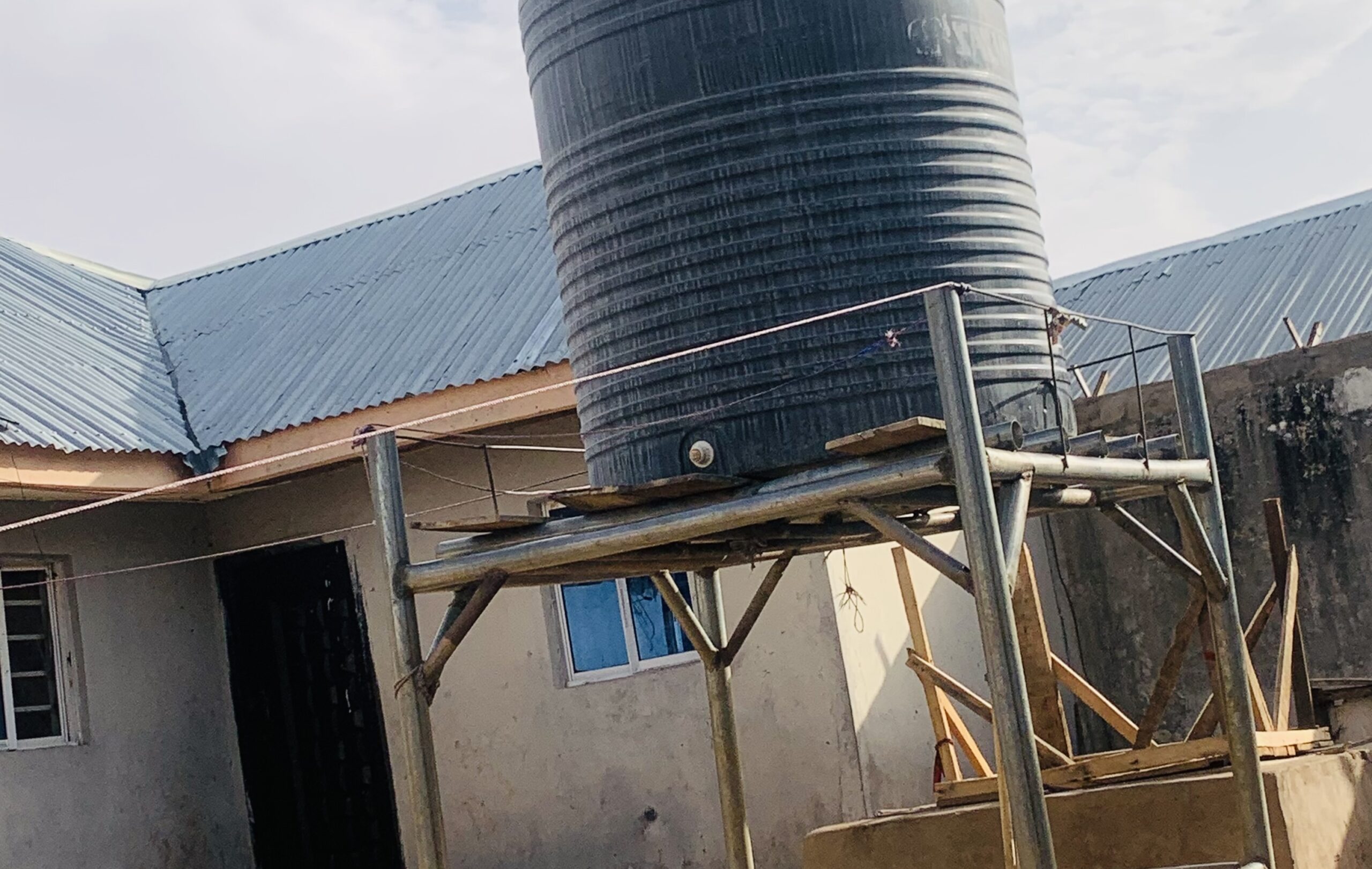
While speaking with Pen Press UDUS, Sheriffdeen shared that living in Shama Village was never easy for him. A large part of the hostels built for male students in Shama are in very poor condition, majorly due to unavailability of stable electricity, proper water supply, and adequate security.
After a year of putting up with the inconveniences, he had no choice but to leave Shama for Kwakwalawa, an accommodation located near the school gate, even though it meant trading the proximity he once enjoyed for comfort.
“Sometimes, we have to trek to the Veterinary Medicine area just to fetch water, which often affects our studies, health, and daily life,” he said.
What stung Sheriffdeen more than the struggle for survival is the preferential treatment he observed. He noted that the hostels built for female students in the same area are in better conditions. He recalled a male hostel in Shama where occupants had endured broken doors, poor electricity and crumbling walls for semesters — inconveniences that went unfixed despite complaints. However, immediately the hostel was transitioned to accommodate female students, every deficiency that made former male occupants’ livelihood hard was fixed: the broken doors, the light, even security.
“This is unfair because male students also deserve a safe and comfortable place to stay. The situation makes us feel less valued,” Sheriffdeen added.
Recognising the poor state of some of the private hostels in Shama village, school management, through Professor S. Y. Tsagem, Deputy Dean 2 for Private Hostels, released a notice on September 30th, 2025, ordering students not to take accommodations in some hostels until certain services were provided. This led some landlords to restore electricity for a while, before the usual blackout resumed.
Ibrahim Ayomide, a 300-level student of History who has lived in Shama village for two years, pointed to the low quality of materials that make up most of these buildings and the deficits he noticed in construction — ranging from the roofing, doors, windows to toilet buildings.
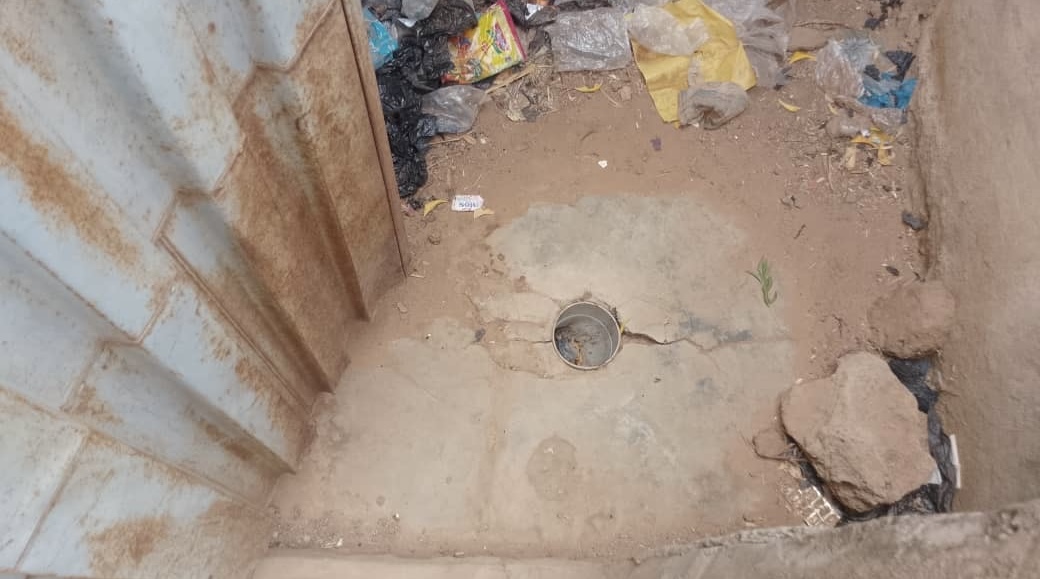
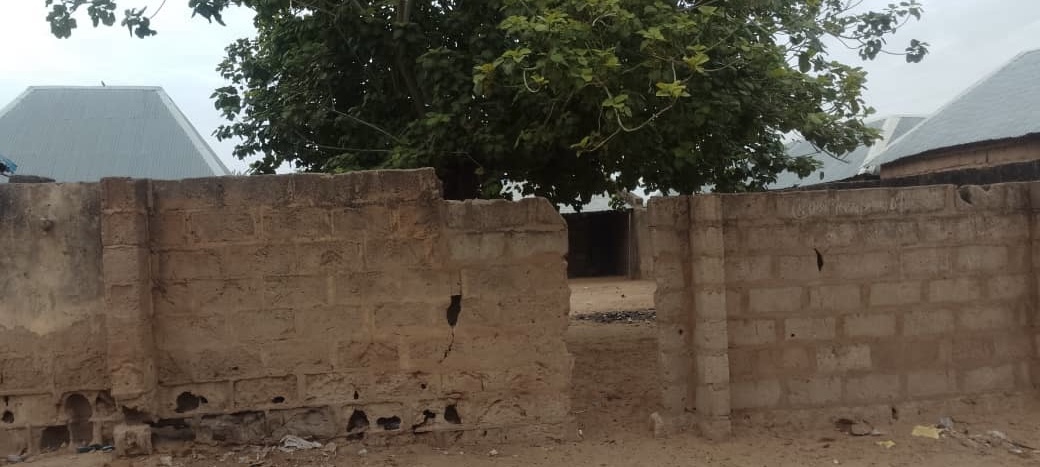
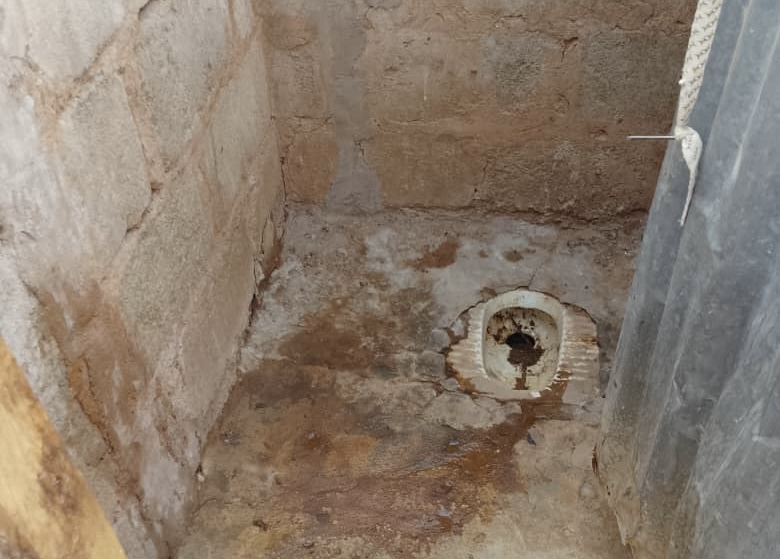
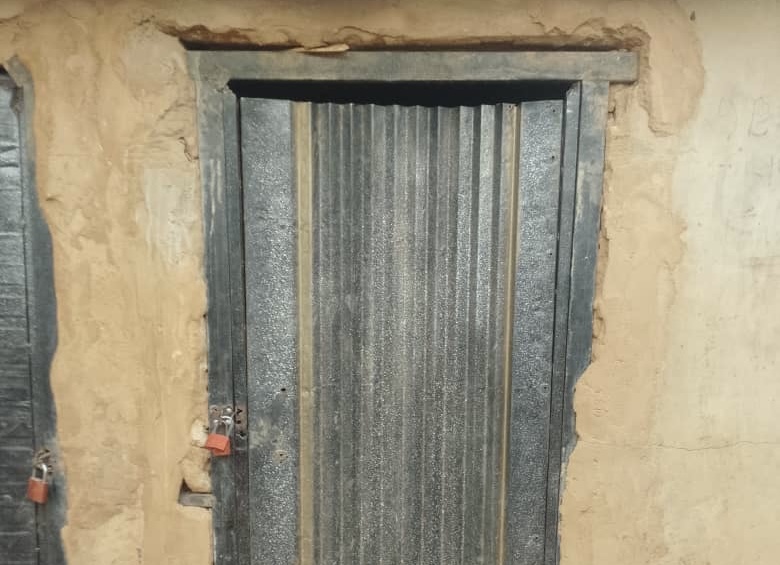
On the contrary, he made reference to the fact that female students in their hostels enjoy better buildings, light and water than their male counterparts. In a bid to assess the situation, this reporter stepped inside a male hostel in Shama and the building itself is evidence of Ayomide’s claim: a ceiling peeling at the edges, a door totally broken and dumped to one side, wall angles cracked, naked wiring exposed, and the unprotected public toilets abandoned emitting horrible smells that filled the entire area.
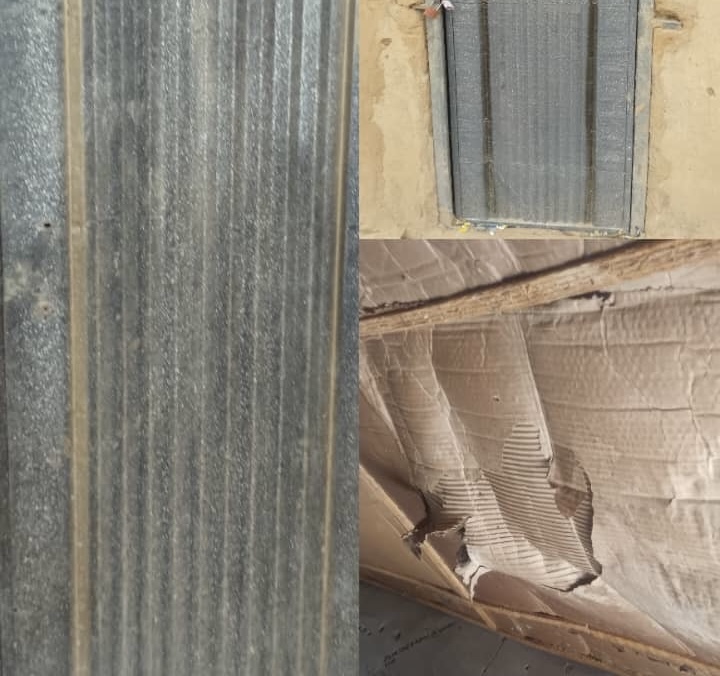
But on crossing into the female section of the same community, the contrast is apparent: the door closes properly, water runs within a reasonable reach, the basics work. What differentiates the standard of the buildings is not the landlord, but the gender of the occupants.
Freshmen Regrets Living in Shama Village
Like every other person, Abdulkareem Taofeeq, a 100-level Mass Communication student, was overjoyed when he gained admission to study at UDUS. It never occurred to him, in the midst of his celebrations, that he was about to live in a hostel where rodents and other harmful animals find their way in easily. When this reporter visited Taofeeq’s hostel, his room was a cubicle with no window, the ceiling in a state of destruction flickering with heat because the only ventilator is the entrance itself.
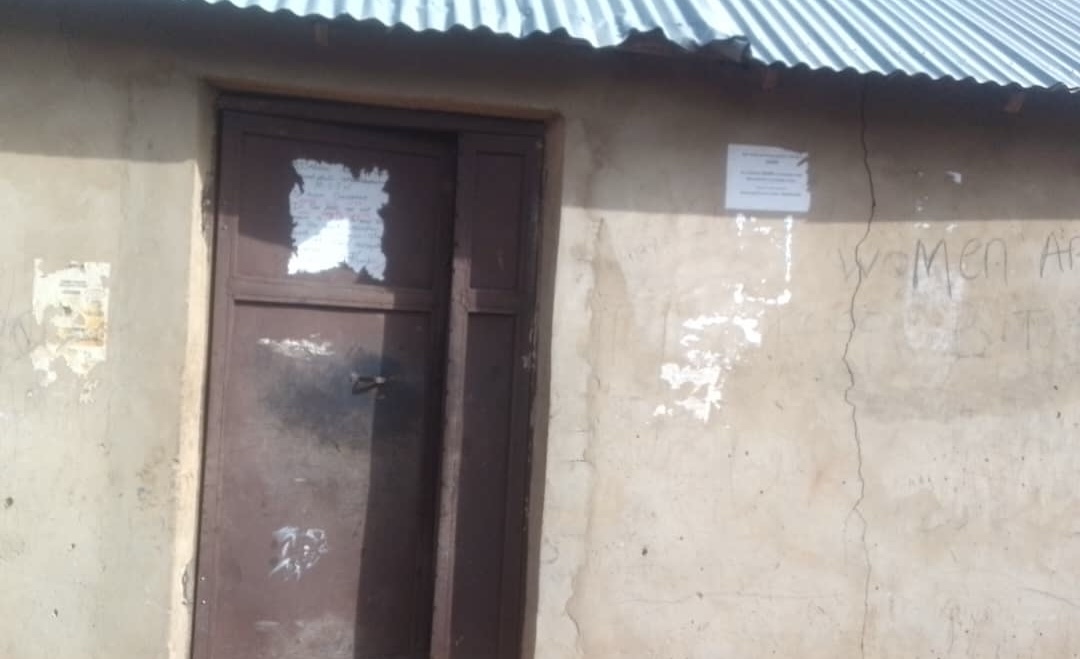
“My living in the male hostel in Shama is a very big mistake, because there’s nothing good in male hostels in Shama, no light, no water, no security, no toilet,” Taofeeq told Pen Press.
Taofeeq noticed, even though he does not normally visit female hostels, how many of the Shama female hostels have light and security: something a plethora of male hostels in the same community lack. He is a student who would have preferred staying indoors to read, but the blackouts pushed him to make the difficult decision of going to class to read at night. He has also faced inconvenience in having to trek to distant neighbouring hostels just to fetch water.
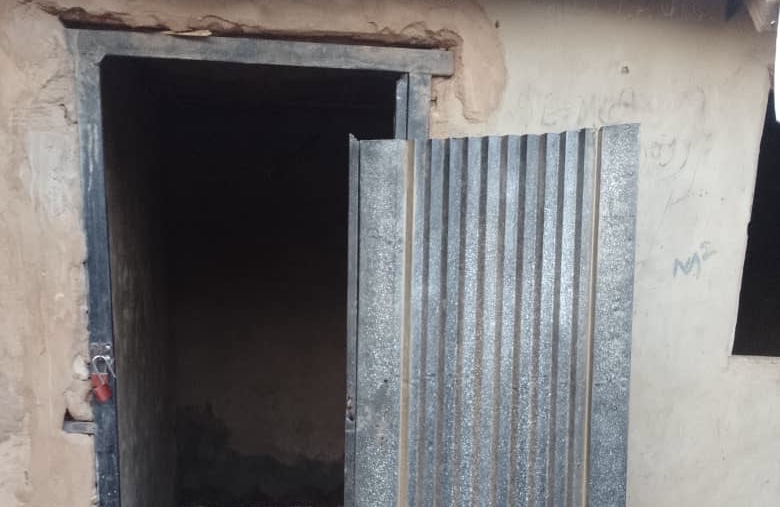
Zakariyau Bashir, a medical student, thought living in Shama village in his first year would be something to write home about. After one year, he resolved that the area is not conducive for students. The light in his hostel went off for over six months in 2025. He recounted a saddening experience with his roommate, whose phone was stolen during daylight because there was no electricity to charge it indoors.
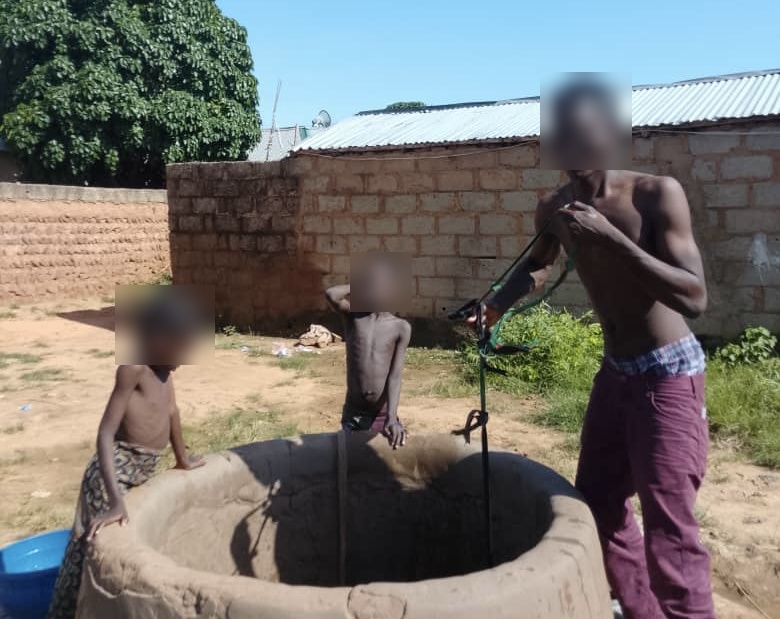
“I’ve been late to many lectures because I have to queue at the well to fetch water in the morning, and sometimes we have no choice but to buy water.”
While Sulaiman Saheed, a 200-level Law student, found the disparity religiously justified, believing women are deserving of comfort and protection but Bashir condemned it as inequality. He opined that being students is what matters, and that basic amenities should not be gender-affiliated.
“I have seen students going as far as the Agriculture department and Bakarsi school hostel just to get clean water from Shama village.”
Similar Rent, Same Community, Distinct Amenities
Abdulazeez Khadijat, a 400-level Business Administration student, has lived in Shama village for three years and describes her experience as comfortable and very nice. She acknowledged that her hostel has lately started facing electricity issues, but still rates its overall condition as average.
Her hostel has a good toilet, adequate water supply, a gate for security, and a high-quality building, for which she pays ₦70,000 per room.
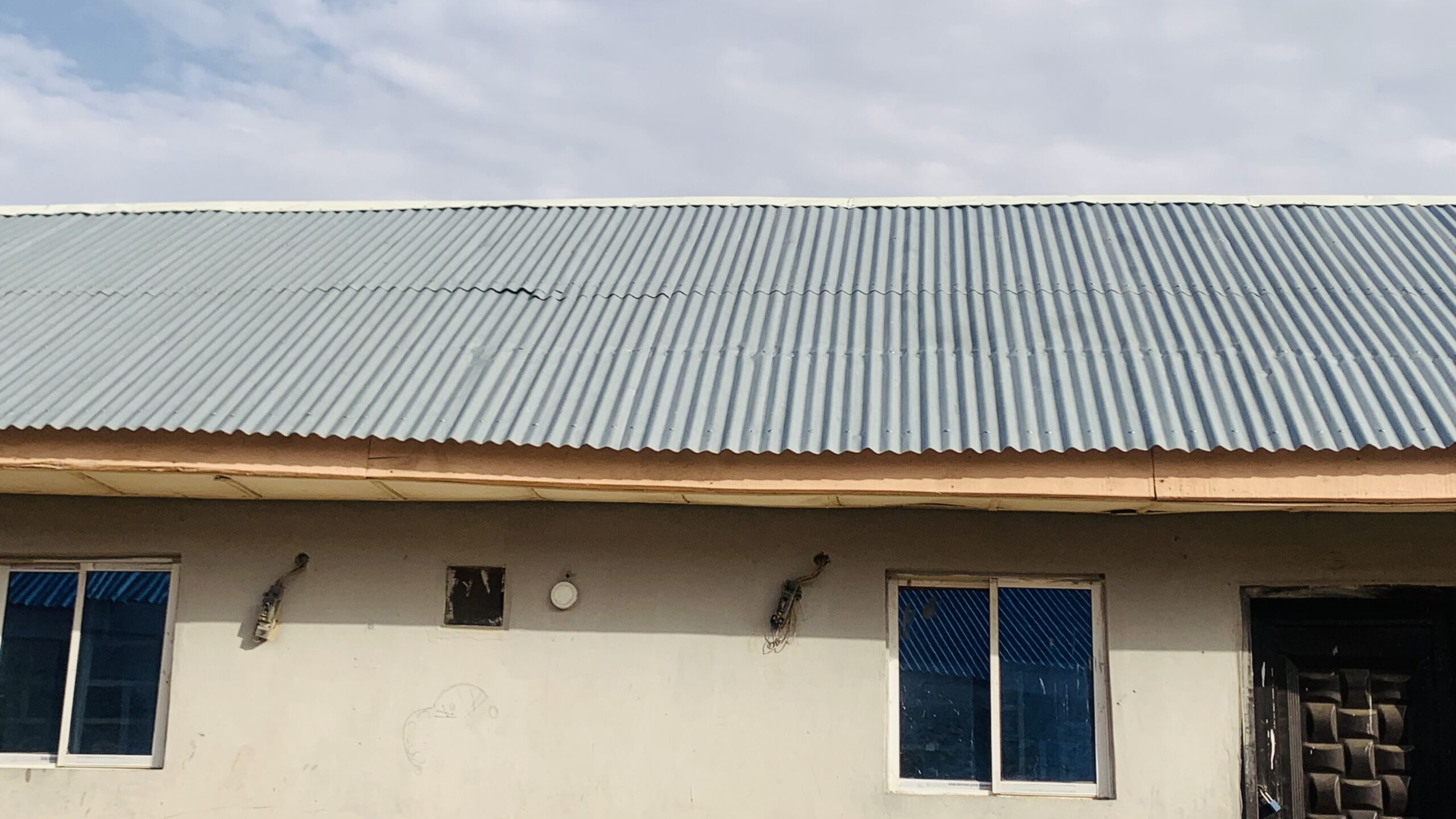
On the other hand, students like Sheriffdeen and Taofeeq, who paid ₦70,000 and ₦50,000 respectively for accommodations they describe as substandard wonder why there is such a difference in amenities within the same community. This further reveals how the majority of male students settle for less because there are no better options available to them.
Management Responds
Mr. Mubarak, who has spent over ten years managing and serving as caretaker for hostels around Shama, explained that rent amounts depend on room type, some rooms have indoor toilets while others have outdoor ones.
He acknowledged the issue raised by Sheriffdeen regarding the hostel that was renovated immediately after male occupants evacuated, to accommodate female students.
“The hostel was renovated before the female occupants moved in. You can also ask those currently staying there for confirmation,” he asserted.
He proceeded to push back on certain claims made by male occupants. He pointed to the initial status of male hostels which had lights, security and functioning doors and argued that electricity was disconnected because some occupants refused to pay their electricity bills regularly.