


By Suleiman Jumain Shuaibat
Moyinlorun Ayomipe Treasure became the first female president of the Elizade University Law Students’ Society in five years when she was inaugurated in 2026. The fourth-year first-class Law student is the second woman to ever hold the office in the faculty’s history.

For Treasure, the win meant more than an election result.
“It wasn’t just a personal milestone,” she said. “It was a reminder that barriers can be broken and representation truly matters.”
She said some people assumed during her campaign that she would lead with emotion rather than objectivity because she is a woman, and that she was advised to “act more like a man” if she wanted to be taken seriously. But she chose to lead in a way that reflected her values.
“I knew that my leadership would shape how people viewed women’s capacity to lead, so I wanted my tenure to be defined not by the fact that I am a woman, but by the quality of my leadership, my service and the impact we create as a team,” she said.
Her account sits against a wider gap. Women make up about 43 per cent of the 2.16 million students in Nigerian universities, according to National Universities Commission data reported by Dataphyte but only nine women in 30 years across 170 universities held student union presidency.
BusinessDay also reports on BudgIT’s 2025 study of women’s economic empowerment that in Nigerian elected office, 48 of the 991 state lawmakers are women, which is merely about 4.8 per cent.
Some women never reach the ballot because they decide not to contest. A Political Science student at the Federal University Oye-Ekiti (FUOYE) who pleads anonymity said she considered contesting for Sports Director but withdrew before the election.
A study by the Department of Political Science, University of Benin, found that 76 per cent of female students expressed interest in student politics, while 26.7 per cent contested elective positions. The study identified gender stereotypes, limited mentorship and weak institutional support as factors that discourage women’s participation.
Other women stay and face those challenges. Ahmed Maryam Musa, a 400-level Veterinary Medicine student, is president of the International Veterinary Students’ Association (IVSA), UDUS Chapter.
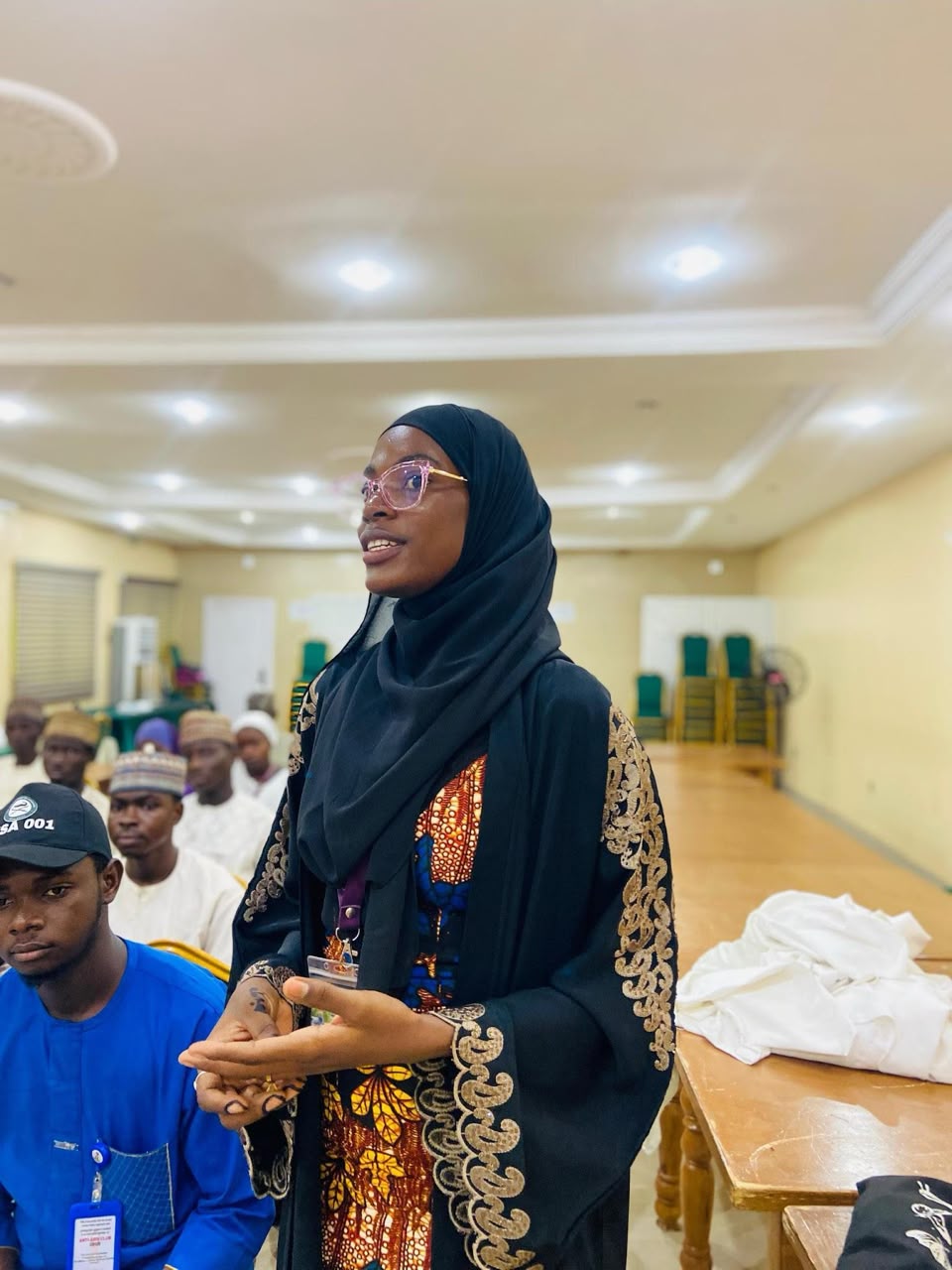
Credit: Suleiman Jumain
She said many female students hesitate to contest because of self-doubt, fear of criticism, limited support and the challenge of balancing academics with leadership.
“Sometimes, there are also societal expectations that make women question whether they belong in leadership spaces,” she said.
Maryam said she has met some of those expectations herself. She said some people assumed women were less capable of handling leadership or making difficult decisions, and that her ideas were questioned more than they would have been if a male leader had proposed them. She said she kept her focus on delivering results.
“Over time, my work spoke for itself, and I earned the trust and respect of those around me,” she said.
She urged female students not to let fear, criticism or societal expectations stop them from seeking leadership roles.
“Your voice matters, your ideas are valuable, and your leadership can inspire other young women to believe in themselves and take up leadership roles as well,” she said.
Daromosu Raheemat Opeyemi, the president of the National Association of Kwara State Students (NAKSS), UDUS Chapter, and chairperson of the association’s Northern Axis said she lost an election earlier in her leadership journey but continued to serve anyway even though withdrawal would have been easier.
“Winners never quit and quitters never win,” she said.
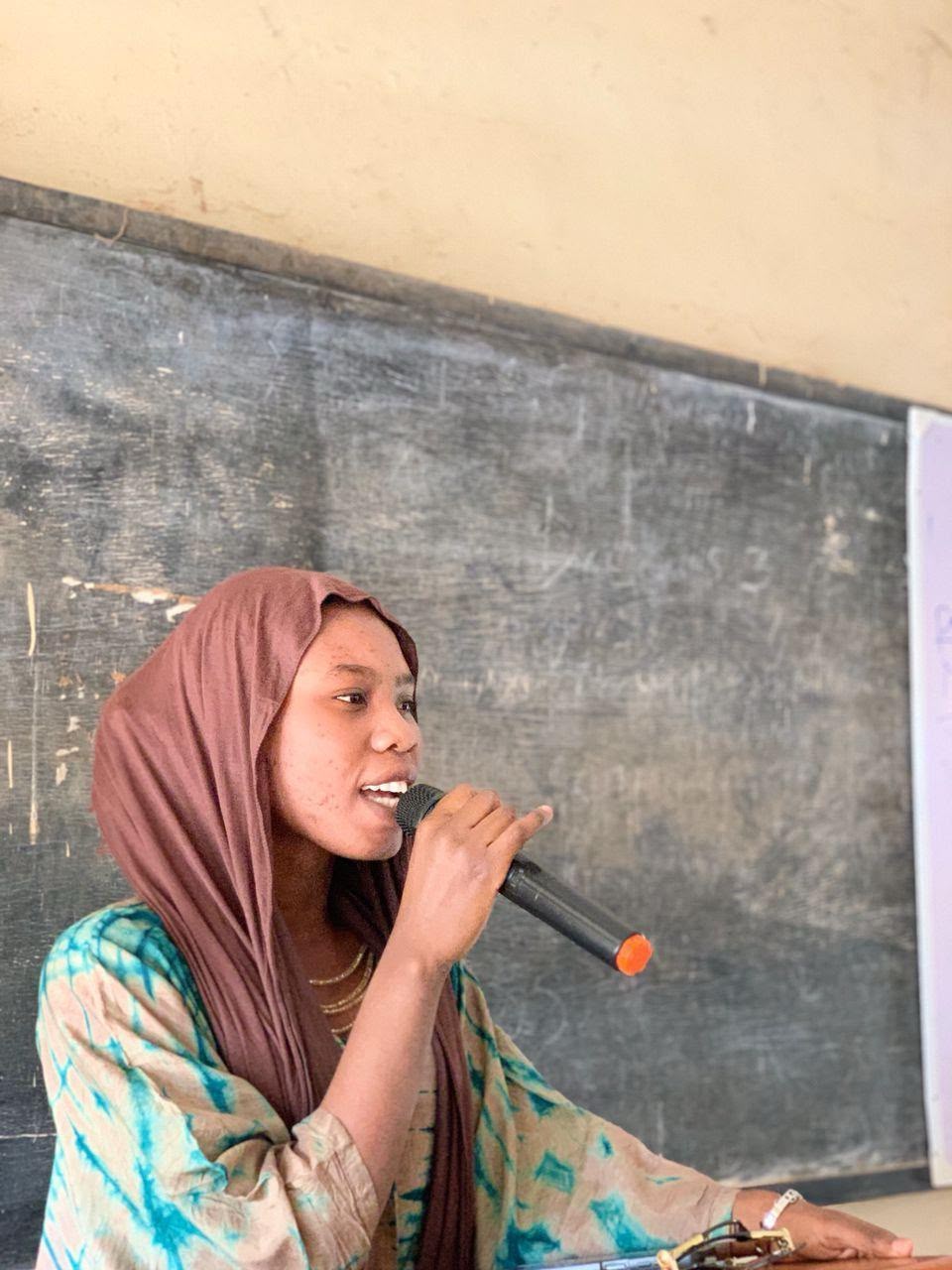
Credit: Suleiman Jumain
Raheemat said women should not let setbacks or stereotypes stop them from aspiring to leadership.
“Believe in yourself and do what gives you peace. Also, check your circle well because the people around you have a role to play in your journey,” she said.
Fatimah Hamid, a freelance international investigative journalist and gender advocate, said the students’ experiences reflect a broader challenge. She said many female students hesitate to contest because of self-doubt, fear of criticism and a belief that leadership is meant for men.
“Some perceive leadership positions as being meant primarily for men, forgetting that women are equally capable of leading and excelling,” she said.
She said such beliefs often form before young women reach university.
“Some girls grow up hearing that men are natural leaders while women are expected to take supporting roles. When women believe leadership is meant for men, they are less likely to participate in politics,” she said.
Fatimah said universities, student unions and fellow students must support women who want to lead. She urged institutions to create an environment where women are encouraged to take part in student leadership and judged on competence rather than gender.