

By Shero Abbas
“I was particularly worried about road safety and the risk of getting caught in volatile situations,” said Suleiman Zayan, a student of Federal University of Technology, Minna. It takes Zayan 7hours 32 minutes to travel all the way down from his school to Ilorin, the capital of Kwara state. This time is nearly the equivalent of the time it takes a passenger to travel from Lagos to Delta state, a route largely regarded as safe. Yet, he wouldn’t dare attempt the journey.
Pen Press UDUS observes that Zayan’s reluctance is not an isolated situation among students studying in the far north of the country. Thousands of students are refusing to travel back home to share festive memories and celebrate landmark familial moments, not due to financial incapability, but the unabated rise of insecurity in the region.
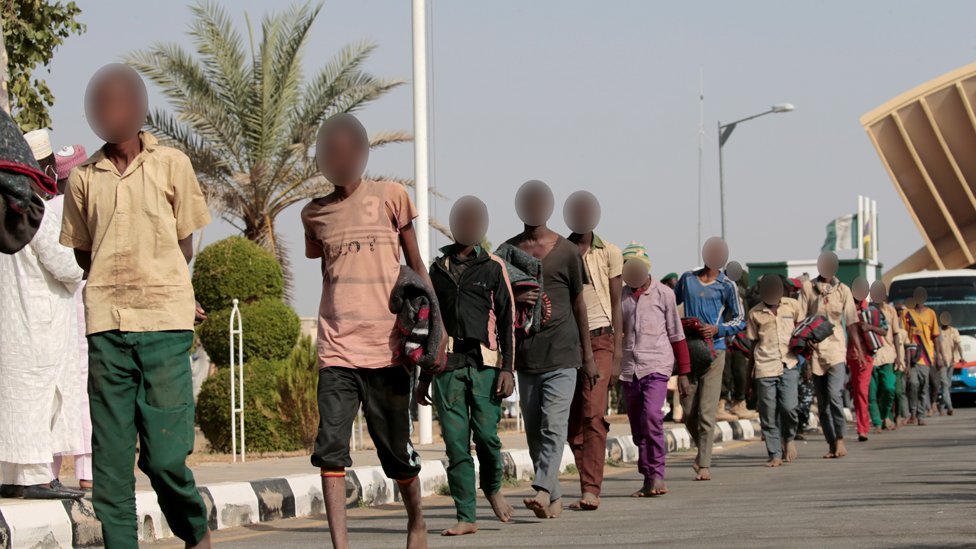
Zayan, a second-year student, confesses that he has chosen not to return home for three consecutive holidays, largely motivated by fear. “Given the circumstances, I felt it was safer to stay on campus where I had access to support and security measures.” Nearly 10 high-profile school kidnappings have occurred in the last two years, targeting about 670 children as of late 2025, according to data from Save the Children. Each of these kidnappings could be traced to banditry, ISWAP or Boko Haram, like the mass abduction of 287 students in Kaduna in March 2024.
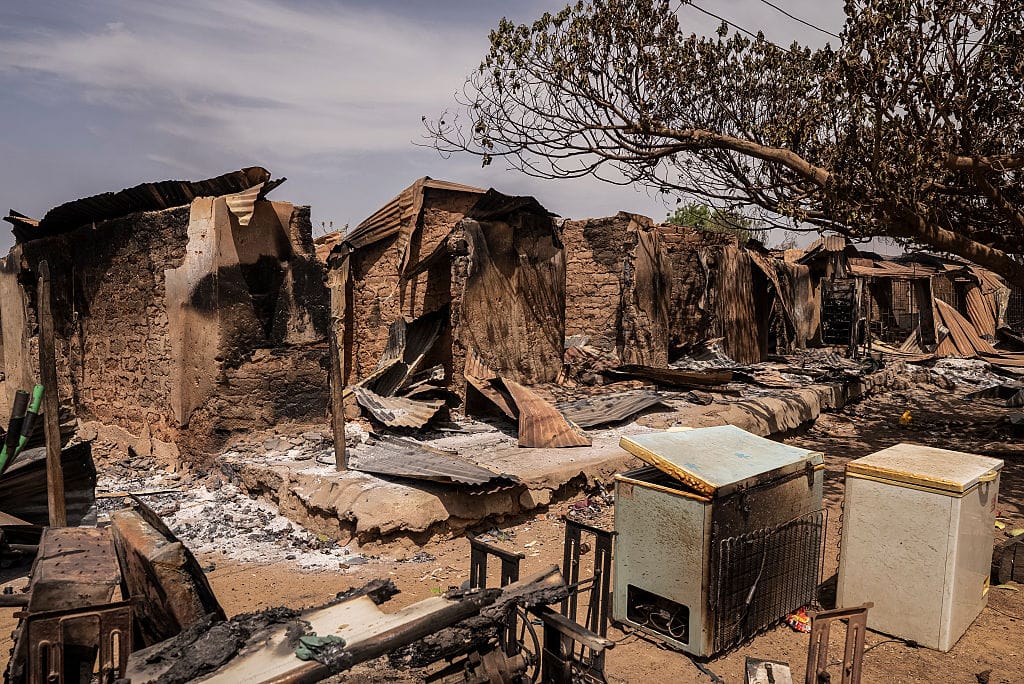
But what has piqued Zayan’s fear, he says, is the unabated rise of artisanal kidnapping across the country; the sort of which he has found difficult to attribute to known terror groups. The data indicate that these large-scale mass abductions are more frequent in northern states, as opposed to cult violence and armed robbery, which are both more prevalent in the south. Over a recent 20-month period, 28 students were killed and 78 kidnapped in tertiary institutions across Nigeria.
Stories of highway kidnappings, bandit attacks, vehicles stopped mid-journey and passengers forced into forests were constantly reported in the media and on social media in 2025. These accounts continued to dominate headlines despite hundreds of billions of naira in allocation to the military to aid the fight against insecurity, which now takes into account the ₦1.50 trillion budget for the Nigerian Army for the 2026 fiscal year.
When Going Home Becomes the Risk
According to the Nigeria Violent Conflicts Database (NNVCD), 1,274 violent incidents and 3,141 kidnappings were reported nationwide in 2025, resulting in 4,654 total casualties.
Across campuses in Zamfara, Sokoto, Niger, and parts of Kaduna, pen press UDUS reports that insecurity has reshaped the meaning of a “holiday.” Holidays now call for prayers rather than celebration, says Abdullahi Hamza, a third-year student studying Political Science at the Federal University, Gusau. Travellers face the reality that journeys can sometimes carry risk, but more so often now that loved ones may be called to pay a ransom, as it has happened to others.
Zamfara, in particular, has repeatedly made national headlines for banditry, kidnapping for ransom, reports of communal violence and insurgency. Beacon Security and Intelligence Limited (BSIL) reported that in the first half of 2025, Zamfara recorded one of the highest numbers of violent incidents in Nigeria, with 6,800 deaths and 5,400 kidnappings.
Hamza explains that while insecurity has become an abstract concept for many social media commentators, it is a lived reality for students chasing their dreams north of the country, adding that the decision to remain on campus is not rooted in preference.
“Hostels are usually available, though sometimes at a reduced capacity,” he says. “Electricity can be a challenge, as some campuses struggle with power outages, but most have backup generators. Security is usually stepped up, which is reassuring. Food services might be limited, so I often stock up or cook for myself.”
“If I have any opportunity to transfer from this state, I will definitely do it without delay.”
“As for transportation,” Hamza continues, “I’m studying in Zamfara State, and it happens to be one of the most dangerous states affected by bandits. It is something I have considered, especially if I feel the insecurity is too much. So I prefer staying on campus at the end of the session.
“Despite this decision, I’m deeply affected by the kind of situation I’m living in. I can’t see my parents, family members and friends. Sometimes I feel emotional in the lecture hall.”
Hamza adds that he has considered transferring to universities in regions less troubled by insecurity. “Safer regions are definitely appealing but transfers require money,” he says. “However, if I have any opportunity to transfer from this state, I will definitely do it without delay.”
The Fear That Travels With You
And for many who would rather weather the storm than cling to the familiar safety of their campus, the real shiver begins days before the scheduled departure. Isiaq Abdulmalik, a sophomore studying Sharia Studies at Usmanu Danfodiyo University, Sokoto, discloses that the thought of travelling through Niger State is enough to cause any student unease. Malik, himself, says he is never settled enroute from school to Ilorin, and it never helps that his parents keep calling.
“The insecurity on the road, especially in Niger State, looks scary and dangerous,” he says. Contrary to what one might expect, Malik says he doesn’t feel staying back on campus is comparatively safer. “I don’t feel safer on campus than staying with my family. It affects me sometimes when I hear news about attacks in neighbouring communities.”
On campuses, there are gates, security posts and night patrols to help fight off attacks. Students who live in rural communities at home do not share this luxury. However, Malik argues that the emotional toll of staying back in school offsets the risk of travelling on the road through Niger state. “There’s no family member to move around with. The campus has always remained like a prison to me. And the worst part is that there are no sports activities centres in the school except playing football on your phone or on the pitch.”
Insecurity steals more than physical freedom. When holidays typically begin, universities transform. Hostel hallways that once echoed with arguments over borrowed chargers and late-night laughter become silent corridors. Canteens shut early. Commercial buses disappear. Vendors travel home, and students feel bored to resist.
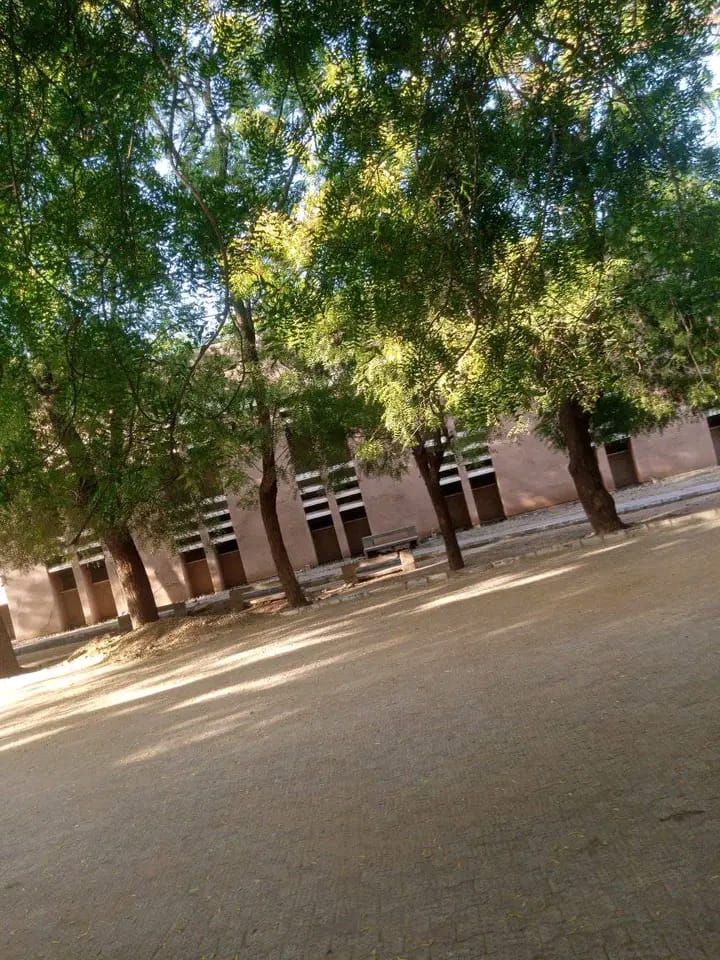
“It can feel isolating. Honestly, staying on campus during holidays can be lonely at times,” says Zayan.
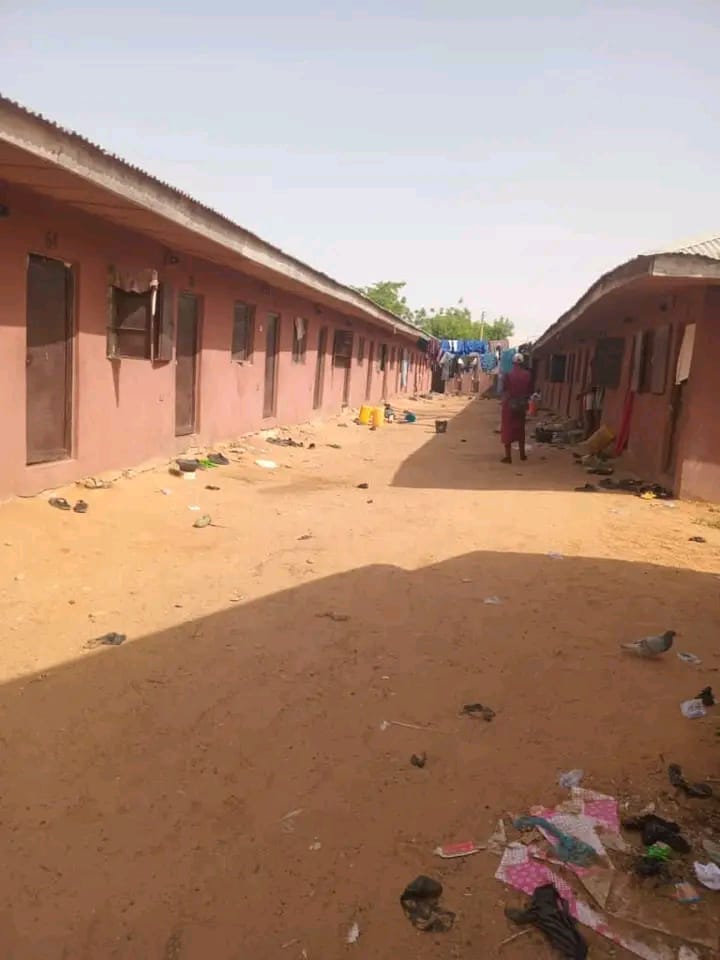
Loneliness is not often associated with insecurity, yet here it becomes a quiet consequence. “I have learned to make the most of it by catching up on studies, pursuing hobbies, or connecting with friends who are also staying back. It’s not ideal, but it gives me a chance to focus on personal growth and recharge for the next semester.”
When Fear Interrupts Focus
Another sophomore, Nurudeen Shekoni, who studies Criminology and Security Studies at Usmanu Danfodiyo University, Sokoto, says insecurity does not stop at travel decisions. His mother, for instance, frequently calls to check on him when she is unsettled, even more so when there are reports of conflicts near campus. “When there are news reports about violence near home, it creates anxiety and worry for me too. During my last visit home, she [mother] had a sleepless night and called me every two hours to be sure we were safe.”
Even as many turn oblivious to the impact of this back-and-forth worry on academic performance, Nurudeen and Zayan are quick to remind those in authority that “it is very hard to focus on studies when there is uncertainty about safety.” It is on this note that both insist the government must do all in its power to bring an end to insecurity, if not for many reasons, but to avoid being impediments to students’ academics.
“This emotional stress sometimes makes it harder to focus on academic tasks, especially during examination periods or when important deadlines are approaching,” Nurudeen says. “Our safety is not guaranteed. Travellers die every day on the road, and bandits ambush some, making journeys unsafe,” Zayan adds.
A Generation Learning Under Threat
Northern Nigeria has experienced waves of insecurity before, particularly in the past decade, including insurgency in the Northeast and banditry across the Northwest. But the level of fear has reached unprecedented heights over the past 14 months. A good number of students gaining admission into Northern universities grew alongside these headlines, to the degree that insecurity no longer stands as an interruption of normalcy. But for the other half, which came from cities elsewhere in the country, the adjustment can seem confrontational.
Criminologist Mubarak Yusuf, who works with private security in Dutse, tells Pen Press UDUS that the failure to translate security policies into practical protection has especially left students vulnerable in Northern Nigeria. He explains that insecurity in the north is fuelled by overpopulation as much as poverty and unemployment.
“Many students have been victims of insecurity, both emotionally and physically. Some fail to travel home after the semester due to insecurity, while parents constantly call to check on their children’s well-being,” he says. “The government is supposed to put necessary measures in place to ensure students are safe, but this has not met expectations.”
Last September, reports from Pen Press UDUS revealed that Ojedeyi Basheerah, who had been honoured as the third-best graduating student at Usmanu Danfodiyo University Sokoto during her induction into the radiography profession, was kidnapped on her way home at about 2:00 pm on September 29, 2025, around Mashegu Local Government Area in Niger State along the Felegu–Ibbi road.
The family, through various platforms, appealed to the public and well-meaning Nigerians to support them with the remaining sum of ₦5,641,380 to secure Basheerah’s safe release.
Fortunately, after several appeals, donations, and the widespread circulation of kidnapping alerts, Basheerah was released. On Monday, October 13, 2025, around 6:00 pm, after 14 days in captivity, her family announced her safe return.
This level of insecurity in Northern Nigeria has grown so alarming that students are no longer confident enough to travel home during holidays. Many remain on campus, caught between fear and longing, and the carefulness to avoid the ‘next volatile situation.’
“Festivals, once markers of reunion, have become reminders of distance,” concludes Mohammed Woru Yusuf, an undergraduate Public Health student at Kwara State University.