

By Shero Abbas
For many students of Usmanu Danfodiyo University, Sokoto (UDUS), the pursuit of higher education is increasingly overshadowed by a pressing and deeply frustrating concern of accommodation. What should be a safe and supportive living environment has, for numerous students residing in private hostels in “Sharma” and other surrounding areas, become a source of anxiety, financial strain, and academic distraction.
Each academic session, rents increase. Yet, according to residents, the physical condition of many of these hostels remains unchanged and worse, deteriorates further. Students said they were compelled to accept substandard facilities simply because they have no alternatives.
A Freshman’s First Encounter with Reality
When Paul Fidelis, a first-year student in the Department of Economics, arrived in School to begin his academic journey at UDUS, he was filled with optimism. That excitement quickly gave way to frustration.
“The first day I arrived at UDUS, I moved from one hostel to another searching for accommodation, but everywhere was already occupied,” he recounted. “I had no option but to settle for a hostel in “Shama”. The building was not in good condition, but I was desperate.”
Fidelis eventually secured a room for N70,000 per session. However, the cost did not reflect the condition of the facility. “The structure is poorly constructed. There is no steady water supply, and I was told during the rainy season, water leaks through the zinc roofing. Yet, the rent increases without any renovation,” he said.
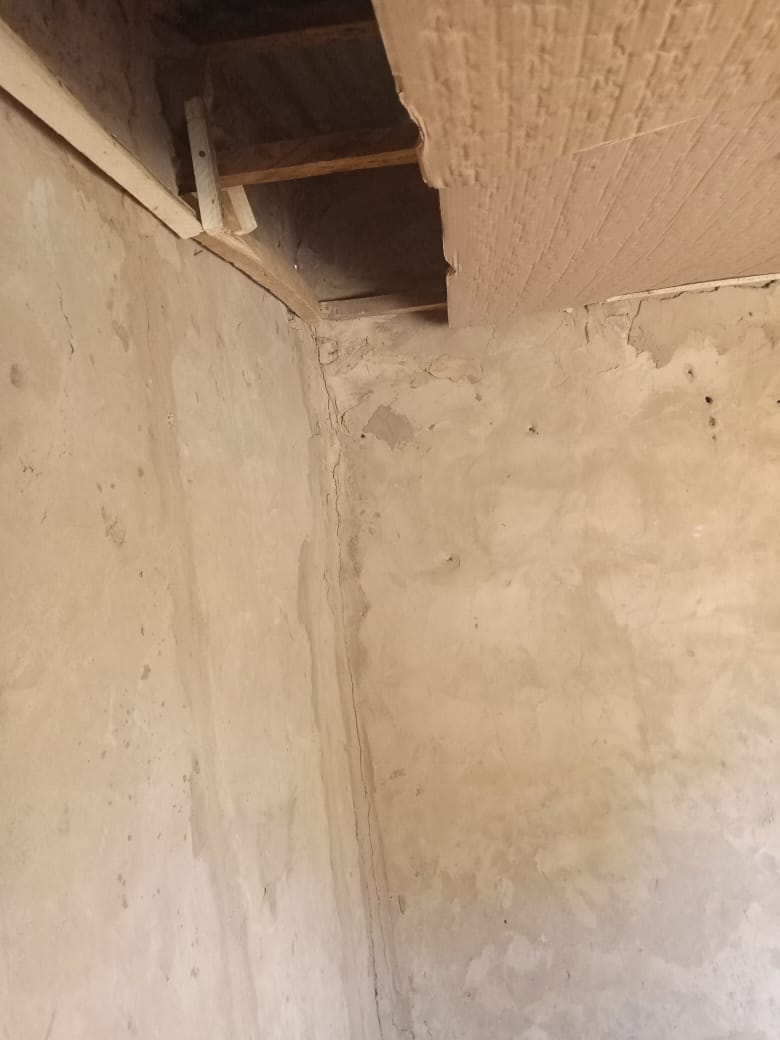
Beyond Structural Concerns, Safety Remains His Biggest Worry
“There is no gate and no security personnel. Anyone can walk into the compound at any time. As a student, your safety should be the most important priority. They collect huge amounts of money, but basic security measures are not in place,”Fidalis recounted.” His experience reflects that of many other students who say they feel financially exploited and physically vulnerable.
When Rent Increment Become Routine
For returning students, the yearly increment of rent has become predictable, yet no less painful and frustrating
Edward Philip, a 200-level student of Business Administration, explained how he was informed of a sudden increase while he was still at home during the holidays. “It was a beautiful morning when my landlord called and asked me to start sending my rent fee if I wanted to keep my room. That was when I heard the price had increased from N55,000 to N70,000,” Edward said.
He had hoped that the new price would at least correspond with improvements in the facilities. “I managed to send N50,000, believing I would see my room renovated when I resumed. Instead, I found broken cement and unfinished repairs.”
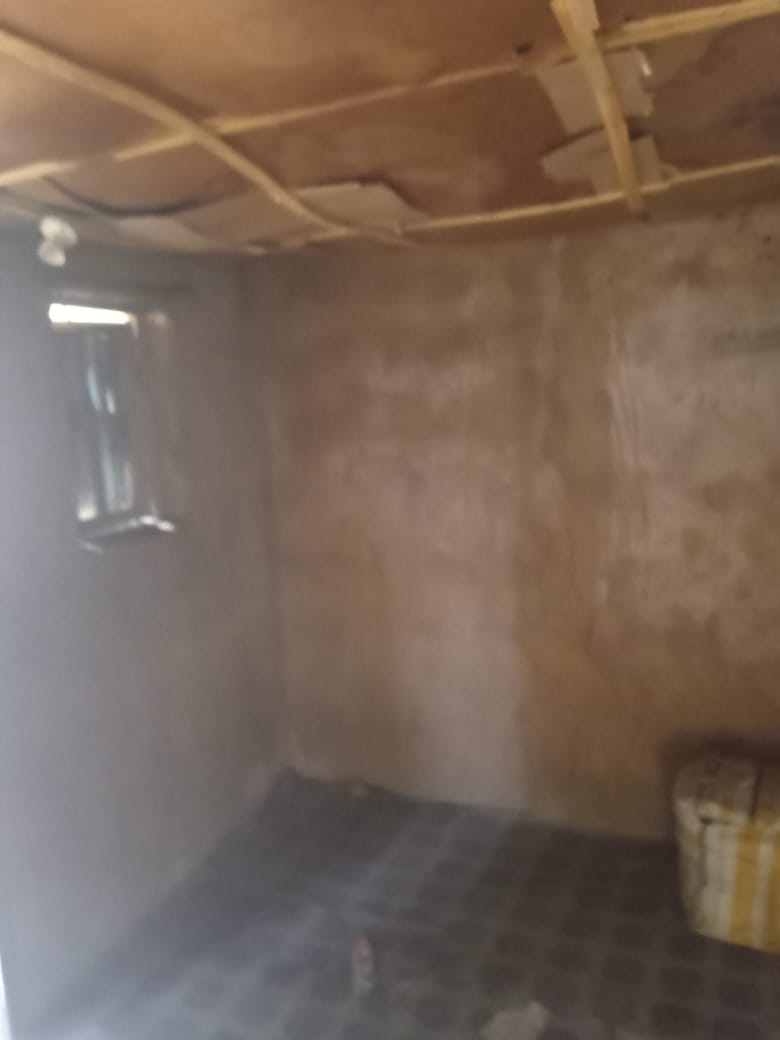
Edward had to squat with a friend for nearly three weeks while his room was being recemented. “That period was very uncomfortable. It affected my concentration. When your living space is unstable, it disrupts your academic focus.”
Students argue that consistent increments without visible upgrades amount to exploitation. Many say they feel pressured to pay quickly or risk losing their rooms to other prospective tenants.
University Directive and Lingering Questions
In response to growing dissatisfaction, recently, the university management issued a directive cautioning students against entering certain residential agreements.
According to the reports made by Pen Press UDUS concerning the directives issued by the school management in an internal memorandum signed by the Deputy Dean II, Students’ Affairs, Professor Y.S. Tsagem warns students staying in private hostels against residential agreement.
“All students are strongly advised not to condone any residential agreement towards the taking-up of Binji residence (Hostel) or any other buildings and properties.”
While the directive was intended to protect students, it has raised questions about enforcement and alternative accommodation options. With limited on-campus housing, many students say avoiding private hostels entirely is unrealistic.
Structural Defects and Students Fear
Apart from rising rents, structural safety remains a pressing concern. Some buildings reportedly have cracked walls, weak foundations, poorly constructed bathrooms, and inadequate ventilation.
Fidelis Expressed Visible Concern
“With the kind of money collected from students, they should at least renovate the buildings properly. The walls are cracked. Nobody knows when something might collapse. Human safety should come first.” The fear is not merely theoretical.
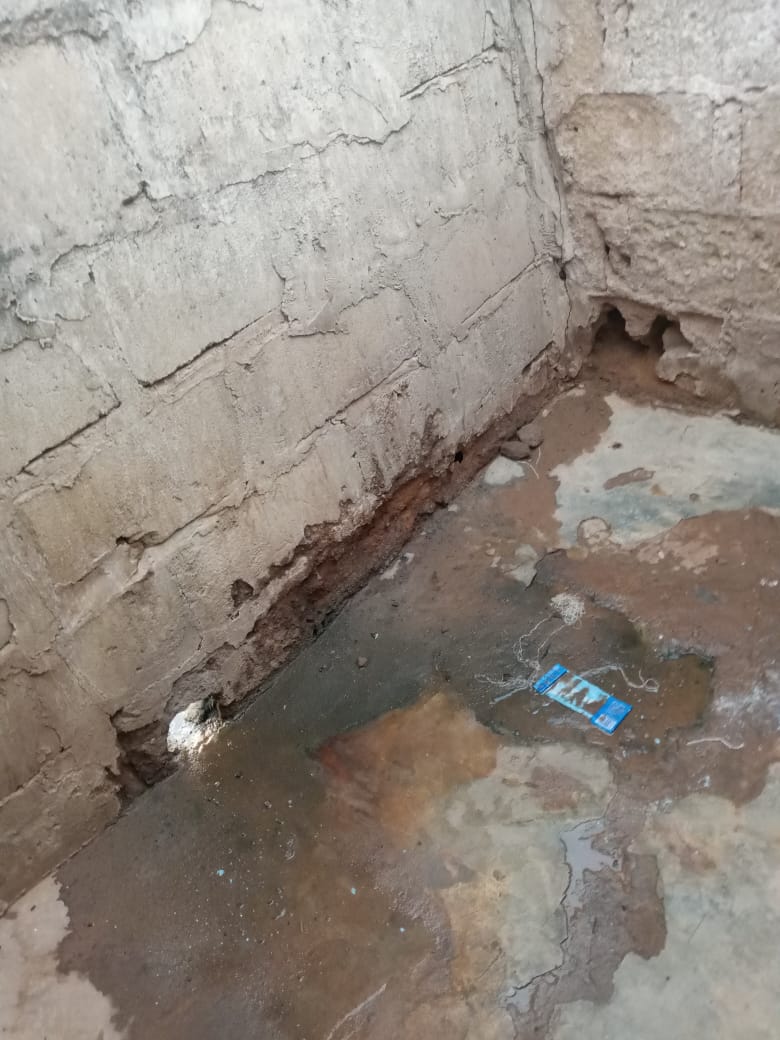
Students say the combination of structural weaknesses and poor maintenance creates constant anxiety, especially during heavy rainfall.
Insecurity and Academic Impact Beyond Infrastructure
The insecurity in surrounding areas further compounds students’ struggle. Several residents narrated incidents of harassment and attempted robbery, particularly when returning from night classes.
Ahmad Ahmad, a 300-level Agriculture student, recalled a frightening experience. “I was coming back from night class at the Faculty of Agriculture and Veterinary Medicine when I noticed two men following me,” he said. “When I realized they were trailing me, I started running. Fortunately, I escaped.”
He believes poor lighting and lack of organized security around private hostels increase vulnerability. “When there is no structured security arrangement, students become easy targets.”
Such experiences have psychological consequences. Students report increased anxiety, reduced study hours at night, and difficulty concentrating — all of which ultimately affect academic performance and CGPA.
Financial Pressure and Emotional Toll
For Salim Ibrahim, a 300-level Statistics student, the rent hike nearly left him stranded. He says “I didn’t know the price had changed until I resumed. My landlord kept sending deadline messages and warning that other students were ready to take my room.”
Salim was unable to immediately raise the required amount, he temporarily lost his room. It was only through partial payment, supported by NELFUND intervention, that he secured an alternative space within the same compound.
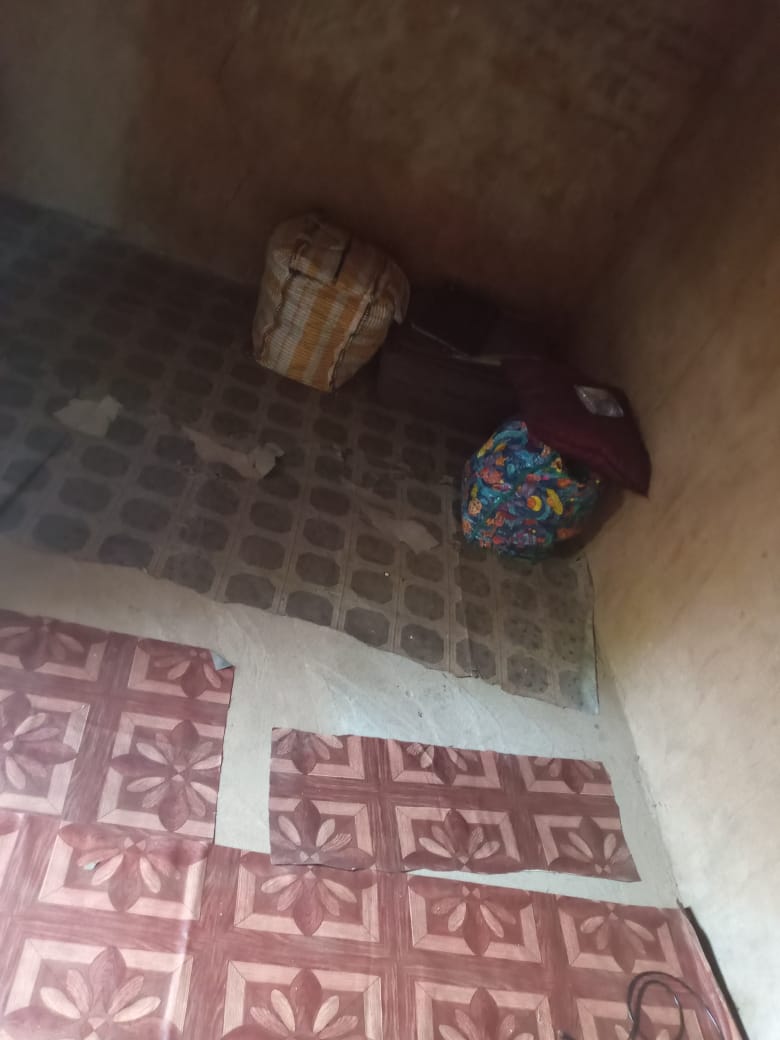
“That experience frustrated me deeply. Accommodation stress can affect one’s mental stability,” Salim added.
Students say such financial uncertainty adds emotional pressure to already demanding academic schedules.
Landlords’ Perspective
Landlords, however, argue that the situation is more complex than students assume. Speaking with Pen Press, Mr. Ibrahim Mohammad Shama, a landlord in one of the private hostels, explained that rising operational costs contribute to rent increments.
“In private hostels, each landlord decides for his property. There is no fixed amount,” he said. “We are facing high electricity bills, maintenance costs, and repair expenses.”
According to him, many students underestimate the cost of running private facilities. “We are trying our best to provide a conducive environment, but sometimes the money paid is not sufficient to cover all necessary improvements.”
While landlords cited economic realities, students insist that transparency and visible upgrades would justify increases more convincingly.
The ongoing tension between students and landlords highlights a broader issue: the abs
ence of standardized regulation for private student accommodation around UDUS.